Illegal Operators Set to Capture £500 Million in UK Jump Racing Wagers
Jakob Patterson · Nov 14, 2026

Illegal Operators Set to Capture £500 Million in UK Jump Racing Wagers
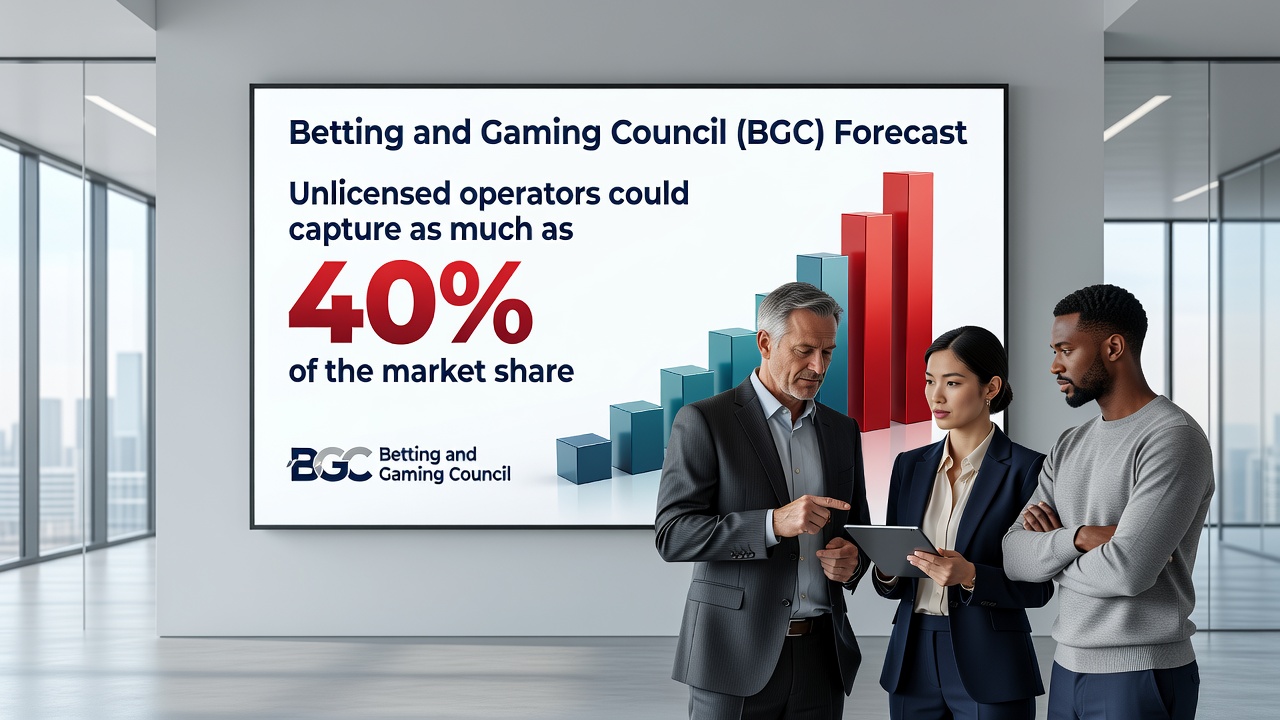
The Betting and Gaming Council has released figures showing that unlicensed gambling operators stand to attract approximately £500 million in stakes across Britain’s 2026/27 National Hunt season, which stretches from October through April, and the projection includes an estimated £10 million wagered on black market platforms during the three-day Cheltenham November Meeting that opens on 13 November.
Those forecasts arrive in the run-up to Safer Gambling Week, scheduled for 16 to 22 November, and they underscore how quickly the unregulated sector has expanded while licensed operators remain subject to UK taxes, racing levies, age verification checks, anti-money laundering requirements and player protection measures.
Scale of the Projected Black Market Activity
Data compiled by the Betting and Gaming Council indicates that the £500 million total covers the full eight-month jump racing calendar, with the Cheltenham November Meeting alone expected to channel roughly £10 million into unlicensed sites because punters can place bets without the safeguards built into the regulated market.
Because these platforms operate outside UK jurisdiction, they avoid the point-of-consumption tax that funds public services, the racing levy that supports the sport’s infrastructure and the mandatory checks that prevent underage access and suspicious transactions.
Regulatory Protections Absent from Unlicensed Sites
Licensed betting companies must maintain systems that verify customer age at registration, monitor deposits for money laundering indicators and offer tools such as deposit limits and self-exclusion registers, whereas illegal operators provide none of those controls and therefore expose users to higher risks of harm.
Observers note that the absence of these requirements allows black market sites to offer odds or bonuses that appear more attractive on the surface, yet the lack of oversight means winnings may never be paid and customer data remains unprotected.
Timing with Safer Gambling Week
The alert coincides with preparations for Safer Gambling Week, an annual industry initiative that runs from 16 to 22 November and focuses on raising awareness of responsible gambling tools available through licensed operators.
During that week regulators and trade bodies typically highlight the differences between the regulated market, which contributes to the Treasury and racing funds, and the unregulated sector that diverts revenue away from both.
Impact on Racing Finances and Public Revenue
Each pound placed with a licensed bookmaker generates a contribution to the racing levy that helps maintain prize money and course facilities, while the same stake placed with an illegal operator produces nothing for the sport or for HM Treasury.
Over the course of the 2026/27 season the £500 million forecast therefore represents a substantial leakage from the official economy that would otherwise support jobs, events and welfare programmes tied to the Thoroughbred industry.
Enforcement Challenges and Consumer Warnings
The Betting and Gaming Council continues to urge bettors to check for a valid UK Gambling Commission licence before depositing funds, noting that the absence of such a licence signals an operator is not bound by British rules on fairness, dispute resolution or player protection.
Those who have studied enforcement patterns point out that illegal sites frequently change domain names and payment processors, which complicates efforts to block access or recover funds once a dispute arises.
Conclusion
The figures released by the Betting and Gaming Council provide a clear snapshot of the financial scale of illegal gambling activity expected during the forthcoming National Hunt season and the specific window around the Cheltenham November Meeting, while also illustrating the structural advantages that licensed operators must maintain to keep the regulated market competitive.